Customize exclusive solutions according to the application

Communication base station equipment is developing in the direction of light weight, high power, and high integration. The heat consumption density of the system is increasing, but the volume is decreasing. Outdoor base station housing is generally a die-cast cavity. Due to high reliability requirements, passive heat dissipation is usually used to realize the heat dissipation of the whole machine. At present, the heat generation of this type of equipment has exceeded 30W/L, up to 35W/L, and the heat generation is huge, which brings serious challenges to the heat dissipation of the whole machine.
In the mobile communication network, the heat generated by the base station is increasing, and the difficulty of temperature control is also rising. The power consumption of a 5G base station is 2.5 to 4 times that of a 4G base station, which is mainly generated by the AAU and BBU performing signal conversion, processing and transmission. The rise in base station power consumption means an increase in heat generation.
If the heat is not timely, it will cause the internal environment temperature of the base station to rise. Once the rated temperature is exceeded, it will seriously affect the stability of the network and the service life of the equipment
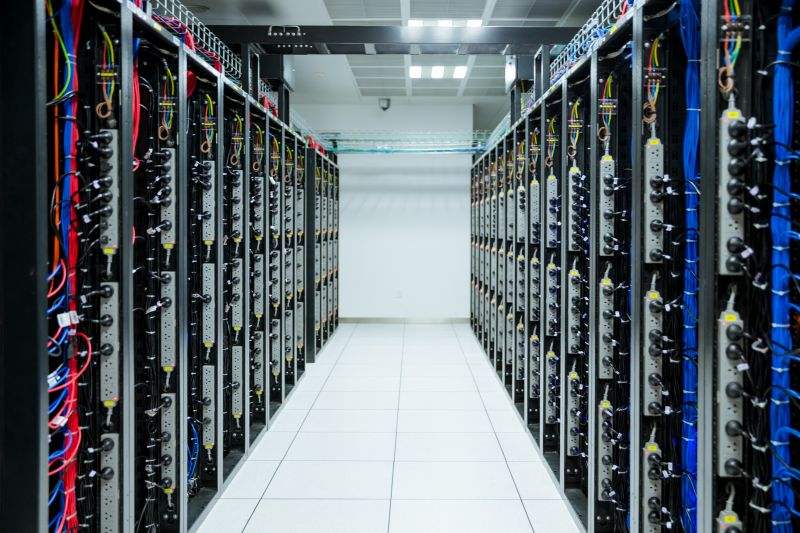
5G base stations are usually installed on iron frames on the roofs of buildings and high places in the field. Therefore, reducing the size and weight of the equipment is essential for the convenience of installation. This will inevitably bring greater challenges to the heat dissipation of 5G base stations. In order to better solve the heat dissipation problem of 5G base stations, it is required to improve the heat exchange efficiency of the base station as much as possible and reduce the heat transfer resistance in a limited space.
In addition to optimizing the heat sink design, adopting liquid cooling methods, new heat dissipation materials or reasonable chip layout, high thermal conductivity materials with higher thermal conductivity and lower thermal resistance are also required to allow the heat from the heat source to be transferred to the heat dissipation shell more quickly .